The motorhome world is about to see a major shake-up as a new 2026 Toyota Ford motorhome enters the spotlight. This unexpected collaboration is already turning heads and changing how people think about long-distance travel and mobile living.
Early reactions suggest this model is not just another refresh but a serious rethink of what a modern motorhome should offer. From its design direction to its driving feel, everything points to a bold new chapter.
A surprising partnership that makes sense
Toyota and Ford coming together on a motorhome platform was not something many saw coming, yet the logic becomes clear once you look closer. Toyota brings its reputation for long-term reliability while Ford adds experience in building strong, adaptable vehicle platforms. The result is a motorhome that feels purpose-built rather than modified as an afterthought.
This joint effort appears focused on balance, combining durability with everyday usability. Instead of pushing extremes, the goal seems to be a motorhome that works equally well for short trips and extended journeys.
A design that breaks away from tradition
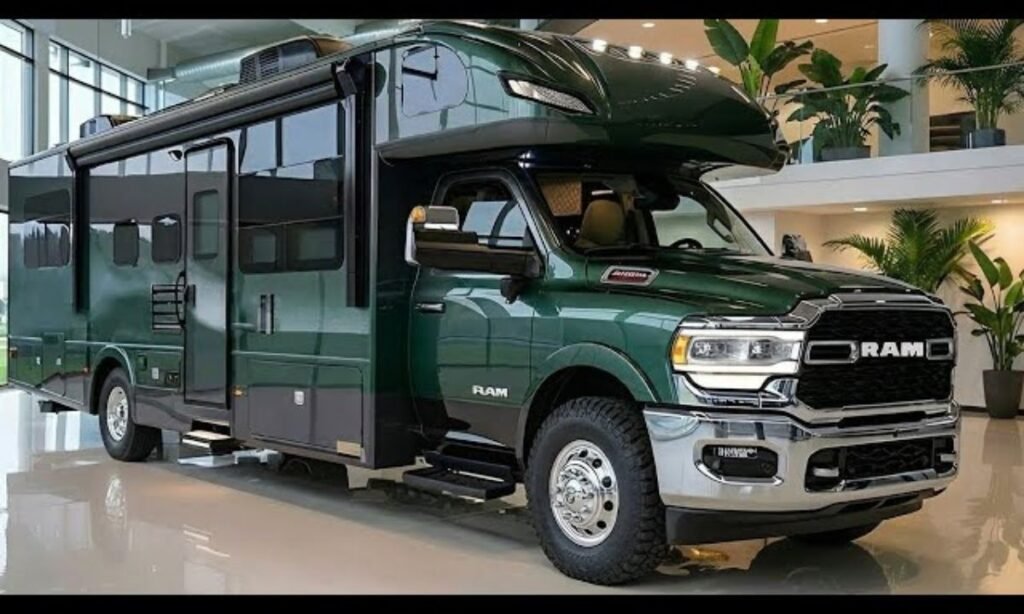
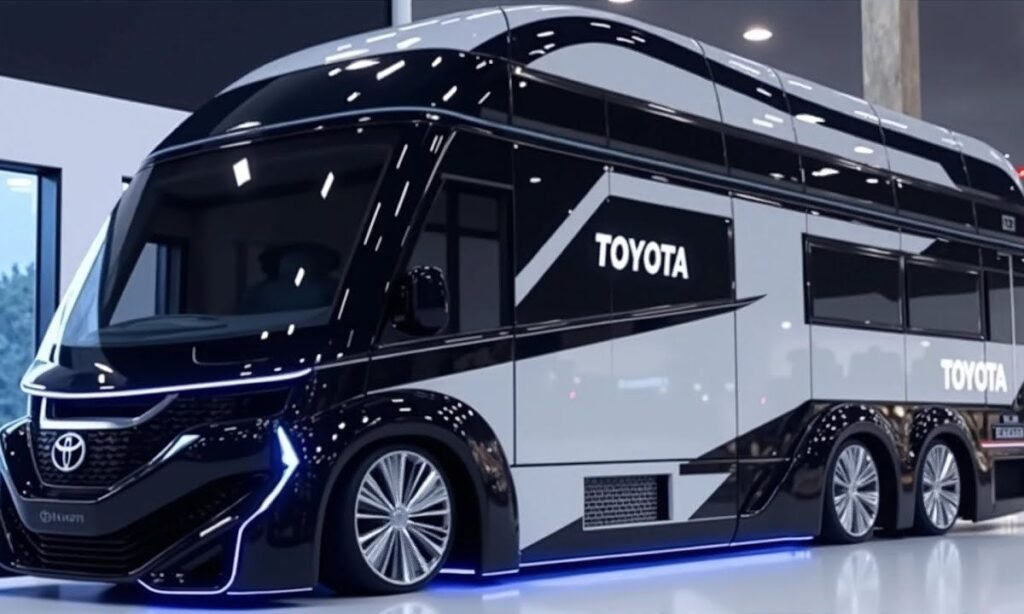
The 2026 Toyota Ford motorhome does not follow the boxy, dated look many people associate with this segment. Its exterior feels cleaner and more modern, while the interior layout prioritizes open movement and smart use of space. Nothing feels wasted or overly complex.
Key design changes that stand out include:
- A smoother exterior profile that improves driving confidence
- A cabin layout that feels closer to a modern apartment than a camper
- Better visibility from the driver’s seat for city and highway use
- Materials chosen for durability without feeling cheap or industrial
These choices suggest a strong focus on real-world use rather than showroom appeal alone.
Driving experience takes center stage
One of the biggest complaints about traditional motorhomes is how tiring they can be to drive. This new model appears to directly address that issue. Steering response, seating position, and overall road behavior have been refined to feel more controlled and less stressful.
The emphasis is clearly on making long drives easier and safer. Instead of feeling like you are piloting a large, awkward vehicle, the experience is closer to driving a well-sorted truck-based SUV.
Practical features that change daily life on the road
Beyond looks and driving, the 2026 Toyota Ford motorhome focuses on everyday practicality. Storage, accessibility, and comfort are treated as core features rather than optional extras. This approach makes a noticeable difference during extended travel.
Some of the most meaningful updates include:
- Smarter storage solutions that are easy to reach without unpacking everything
- Flexible living areas that adapt to different needs during the day
- Improved insulation for better comfort in changing weather
- Systems designed for easy maintenance and long-term ownership
These details may seem small on their own, but together they change how livable the motorhome feels.
Why this motorhome could reshape the segment
What truly sets this model apart is how carefully it blends two different automotive philosophies. Instead of trying to impress with gimmicks, it focuses on reliability, usability, and comfort. That combination could push other manufacturers to rethink their own designs.
If this approach proves successful, it may signal a shift toward more driver-focused and lifestyle-friendly motorhomes in the years ahead.
Final Report
The 2026 Toyota Ford motorhome is not just another new release, it represents a clear change in direction for the entire category. By combining trusted engineering with thoughtful design and real-world practicality, it challenges long-standing expectations. For many buyers, this could be the motorhome that finally feels easy to live with, easy to drive, and built to last.
FAQs
Why is the Toyota and Ford collaboration such a big deal?
It brings together two different strengths, reliability and platform expertise, in a way rarely seen in the motorhome market.
Is this motorhome aimed at full-time travelers or casual users?
Its design suggests it can comfortably serve both, without forcing compromises.
Does the new design affect interior space?
The layout appears more efficient, making the space feel larger and easier to use.
Will it be easier to drive than older motorhomes?
Yes, improving driving comfort and control seems to be a major focus.
Could this influence future motorhome designs?
If well received, it could push the industry toward more practical and driver-friendly models.